
Roof Insulation Company
Enquire Today For A Free No Obligation Quote
At Roof Insulation Company, we provide professional, energy-efficient solutions designed to reduce heat loss, improve comfort, and lower household energy bills.
Roof insulation services include the installation of modern materials such as mineral wool, rigid boards, or spray foam — each selected for maximum thermal performance and long-term durability.
Since around 25% of a home’s heat can escape through an uninsulated roof, proper insulation is essential to maintaining year-round energy efficiency.
As expert installers assess each property individually, they design bespoke roof insulation systems that meet current building regulations while enhancing both comfort and sustainability.
Request a free, no-obligation quote for professional roof insulation.
What Does a Roof Insulation Company Do?
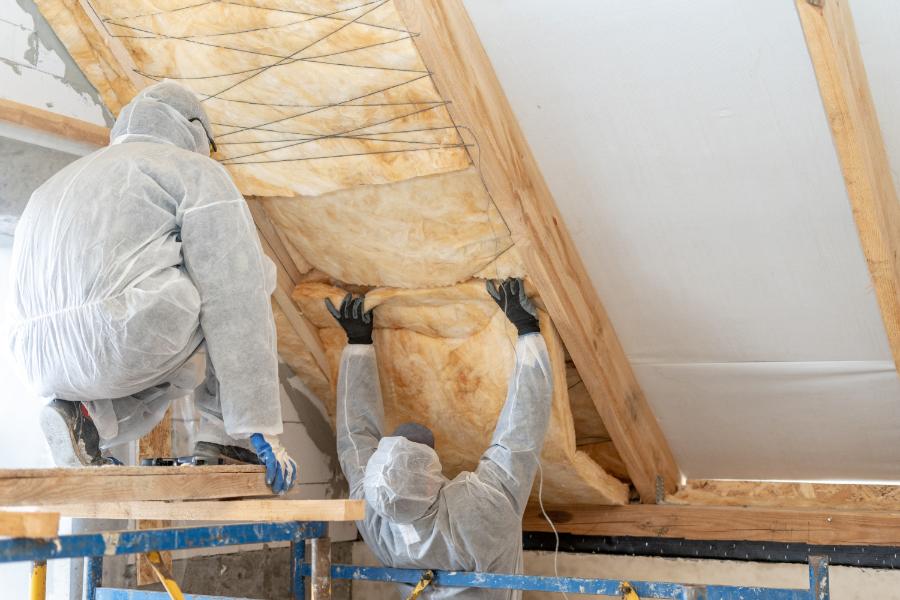
A roof insulation company specialises in the installation, replacement, and improvement of thermal insulation materials within pitched and flat roof structures.
This service involves assessing the existing roof construction, recommending appropriate insulation methods, and carrying out professional installation to improve the property’s energy efficiency.
Since poorly insulated roofs account for up to 25% of a home’s heat loss, expert roof insulation services play a critical role in reducing heating costs and improving indoor comfort throughout the year.
How Much Does Roof Insulation Cost?
The cost of roof insulation is £400 to £4,500.
The cost of a cold loft ranges from £400 to £1,200, while warm roof insulation (applied directly under the roofing material) can cost £2,000 to £4,500, depending on complexity and materials.
The cost of roof insulation depends on the type of roof (pitched or flat), the insulation method used, and the size of the property.
Flat roof insulation, which often requires external boarding and weatherproofing, typically costs £80 to £120 per square metre, inclusive of materials and labour.
Since costs vary based on access, roof structure, and insulation type, a free survey by a qualified insulation company is the best way to receive an accurate quote.
What Are the Benefits of Roof Insulation?
Roof insulation provides long-term energy savings, enhanced indoor comfort, and improved property value, making it one of the most cost-effective home improvements available in the UK.
- Reduces heat loss by creating a thermal barrier that keeps warmth inside during winter and prevents overheating in summer
- Lowers energy bills, with annual savings of up to £355 for a detached home, according to the Energy Saving Trust
- Improves indoor comfort by maintaining a more stable temperature throughout all seasons
- Increases energy efficiency ratings, contributing to a better EPC score, which can raise the resale value of the home
- Reduces carbon emissions by lowering the amount of energy needed to heat the property
- Extends the lifespan of the roof by reducing moisture build-up, condensation, and temperature-related stress on roofing materials
- Enhances soundproofing, helping to reduce external noise from rain, wind, traffic, or aircraft
- Prepares the home for future improvements, such as loft conversions or renewable energy systems, by ensuring insulation is up to standard
What Types of Roof Insulation Do You Offer?
A professional roof insulation company usually offers multiple insulation solutions tailored to different roof types and performance goals.
For cold lofts, mineral wool or blown-fibre insulation is installed between and over the joists to form a thermal barrier between the living space and the loft.
Warm roof insulation involves applying rigid insulation boards above or below the rafters to insulate the entire roof structure, keeping the loft space warm as well.
Flat roofs are insulated either above the deck (warm roof) or below the ceiling (cold deck), depending on whether the roof is being replaced or retrofitted.
The selection of insulation type depends on building use, desired thermal performance (U-values), available space, and budget.
Is Roof Insulation Suitable for Older Properties?
Roof insulation is suitable for most older properties, although extra care must be taken to preserve ventilation, prevent damp, and maintain the structural integrity of the roof.
In homes built before 1930, traditional roofing methods such as lath and plaster ceilings or breathable roof coverings may require the use of vapour-permeable insulation materials like sheep wool or wood fibre.
Since older roofs are often less airtight, insulating without addressing ventilation may increase the risk of condensation and timber decay.
A reputable roof insulation company will assess the condition of the roof, check for existing damp or decay, and recommend breathable insulation solutions to ensure the long-term health of the building.
How Long Does Roof Insulation Take to Install?
The duration of roof insulation installation depends on the size and complexity of the roof, as well as the method used.
Cold loft insulation in a typical three-bedroom property can often be completed in half a day to one full day.
Warm roof insulation or flat roof upgrades can take between 2 to 5 days, especially when structural modifications or roofing membranes are involved.
Professional teams coordinate insulation work with roofing contractors to ensure that thermal upgrades are completed efficiently and to regulation standards.
Does Roof Insulation Require Planning Permission?
In most cases, roof insulation does not require planning permission if it does not alter the external appearance of the building.
However, warm roof insulation that raises the roof height, or any work done on a listed building or in a conservation area, may require planning approval.
Regardless of planning permission, all roof insulation work must comply with UK Building Regulations Part L, which sets minimum thermal performance standards.
A qualified roof insulation company ensures that installations meet these requirements and can provide the necessary certification for home improvement records or future property sales.
How Much Can I Save on Energy Bills with Roof Insulation?
Roof insulation can save homeowners a significant amount on their annual heating bills by reducing heat loss through the roof.
According to the Energy Saving Trust, installing loft insulation in a detached home can save up to £355 per year, while a semi-detached home may save around £210 annually, based on current energy prices.
Warm roof and flat roof insulation also contribute to reduced heating demand, especially in converted lofts or extensions.
Since insulation lasts for decades when properly installed, the savings compound over time, offering a strong return on investment and improved energy efficiency ratings.
Can I Insulate the Roof Myself?
DIY roof insulation is possible in certain cases, such as rolling out mineral wool insulation in a cold loft with easy access.
However, more complex installations, such as warm roof insulation, flat roof upgrades, or insulation in older buildings, should be carried out by experienced professionals.
Incorrect insulation can block ventilation paths, create condensation issues, and fail to meet Building Regulations, which may affect home insurance or resale value.
Hiring a professional roof insulation company ensures the work is safe, compliant, and effective in achieving long-term energy savings.
Will Roof Insulation Affect Ventilation?
Roof insulation can affect ventilation if not installed correctly, particularly when airflow to the eaves, soffits, or ridge is blocked by insulation materials.
Proper ventilation is crucial in preventing condensation build-up, especially in older or poorly ventilated roofs with traditional roofing materials.
A qualified insulation installer ensures that ventilation is preserved or enhanced by using products such as eaves ventilation trays, breathable membranes, or ridge vents.
Since insulation works best when moisture is controlled, a balance between airtightness and ventilation must be maintained in all roof insulation systems.
What’s the Difference Between Loft Insulation and Roof Insulation?
Loft insulation refers to insulating the floor of the loft, typically between and over the ceiling joists, which creates a thermal barrier between the living space and the loft above.
Roof insulation refers to insulating the actual roof slope, either on the underside of the rafters (internal insulation) or above the roof structure (external warm roof insulation).
Loft insulation is suitable when the loft is used only for storage, whereas roof insulation is ideal when converting the loft into a living space, as it keeps the entire roof space warm.
Homeowners often confuse the two, but a roof insulation company can assess the property and recommend the right solution based on how the loft or roof space is used.
Can Roof Insulation Be Installed from the Outside?
Roof insulation can be installed from the outside using a warm roof system, which involves lifting the roof covering and placing rigid insulation boards above the rafters.
This method is commonly used during roof replacements or refurbishments, particularly in homes undergoing re-roofing.
Installing insulation from the outside avoids disrupting the interior of the home and offers continuous coverage, reducing thermal bridging across rafters.
Since this process can raise the overall height of the roof slightly, planning permission may be required in certain cases, especially in conservation areas.
What U-Value Should My Roof Insulation Achieve?
The U-value is a measure of how much heat passes through a building element; the lower the U-value, the better the thermal performance.
For roof insulation, current UK Building Regulations recommend achieving a U-value of 0.16 W/m²K for pitched roofs and 0.18 W/m²K for flat roofs in new or upgraded installations.
These values can be met using the correct thickness of insulation, such as 270mm of mineral wool in a cold loft or 120mm of PIR boards in a warm roof system.
A professional roof insulation company calculates U-values based on material specifications, installation methods, and local climate conditions to ensure compliance and efficiency.
How Do I Know If My Roof Is Already Insulated?
The easiest way to check if your roof is insulated is to access the loft and look between the ceiling joists or beneath the roof slope.
In a cold loft, the presence of thick mineral wool or insulation rolls laid between and across joists indicates insulation is present.
In a converted loft, rigid boards or insulation between the rafters may be visible behind plasterboard or roof panels.
For flat roofs, insulation may be concealed within the structure, making it difficult to assess without thermal imaging or professional inspection.
If you’re unsure, a roof insulation company can carry out a thermal survey or roof assessment to determine whether your property meets current insulation standards.
Can I Add More Insulation to an Already-Insulated Roof?
Additional insulation can usually be added to an already-insulated roof to improve thermal performance, provided there is enough space and ventilation is not compromised.
In lofts, this often involves topping up existing mineral wool to the recommended 270mm depth or adding an extra layer of rigid boards for improved insulation.
In roof slope areas, extra insulation can be added internally beneath the rafters or externally as part of a warm roof upgrade, depending on access and roof structure.
Upgrading insulation is particularly beneficial in older homes where insulation levels fall below current energy efficiency standards.
A professional assessment will ensure that additional insulation is compatible with existing materials and does not create a risk of condensation or overheating.
Will Roof Insulation Help with Noise Reduction?
Roof insulation can help reduce external noise to some extent, especially in urban or high-traffic areas.
Materials such as mineral wool and dense rigid boards have sound-absorbing properties that can reduce the transmission of airborne noise through the roof.
While roof insulation is not a complete acoustic solution, it can significantly improve indoor comfort by dampening rain noise, wind noise, and external disturbances.
For properties near airports, roads, or railways, combining roof insulation with acoustic plasterboard or sound-dampening membranes can provide enhanced noise reduction.
What Should I Do If My Roof Has Damp or Mould Before Insulation?
If your roof has damp patches, mould, or signs of water ingress, these issues must be addressed before any insulation is installed.
Insulating over damp materials can trap moisture, worsening the problem and potentially leading to timber decay, mould growth, and reduced air quality in the home.
A roof insulation company will carry out a moisture assessment and recommend remedial work such as repairing leaks, improving ventilation, or replacing damaged roofing felt.
Only once the roof space is dry and sound should insulation be installed, ensuring both thermal efficiency and the long-term integrity of the roof structure.
Get a Free Quote for Roof Insulation
A professional roof insulation company ensures your property stays warmer in winter, cooler in summer, and more cost-effective to run throughout the year.
With expertly fitted, high-quality materials, roof insulation delivers lasting protection against heat loss, condensation, and rising energy costs.
Whether for a residential property or commercial building, professional installation guarantees compliance, safety, and exceptional thermal efficiency.
Get a free quote from a leading roof insulation company today.
Find More Info
Make sure you contact us today for a number of great roof insulation services.
For more information on roof insulation company, fill in the contact form below to receive a free quote today.
★★★★★
Roof Insulation Company did an exceptional job improving the energy efficiency of our home. The installation was quick, clean, and carried out with impressive attention to detail. We noticed the temperature difference almost immediately.
Cassian Alderford
Greater London
★★★★★
We were thoroughly impressed with the service from Roof Insulation Company. Their team was knowledgeable, professional, and guided us through the entire process with ease. Our home feels warmer and far more efficient now.
Marisella Thornwyck
Greater London